




Charlestown Harbour, the last open 18th-century Georgian harbour in the UK and a UNESCO World Heritage Site, is now open to the public. The cobbled walkways of the grade II listed inner harbour are once again welcoming visitors without charge, as the lock gate project is set to conclude later this summer.
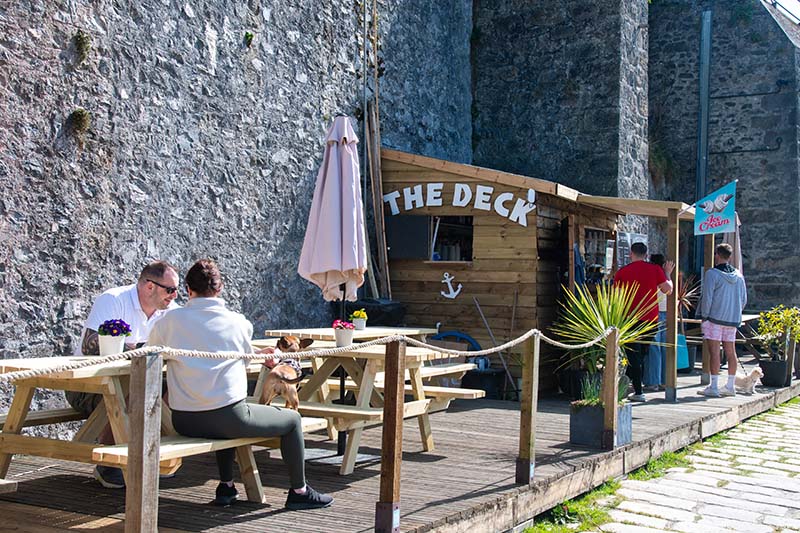
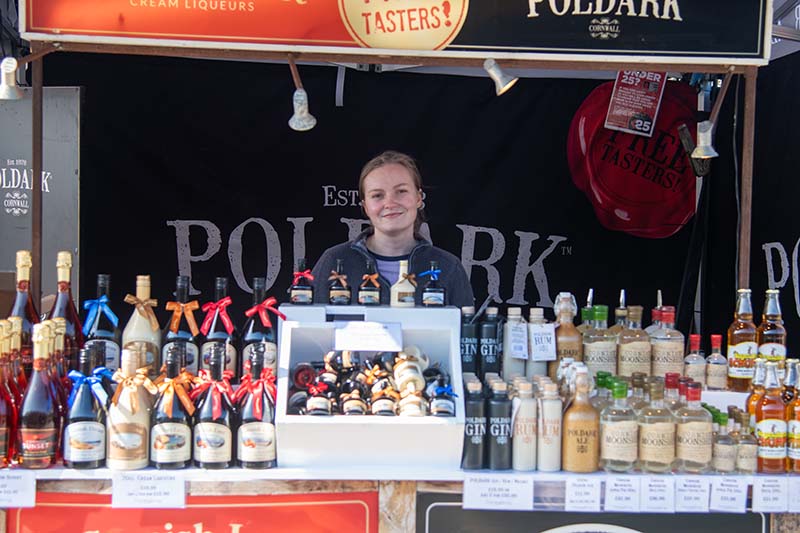
 The inner harbour is seasonally home to a collection of local independent pop-up businesses such as returning favourites Charlestown Fish Co – who offer delicious, freshly prepared fish dishes such as crab sandwiches, moules and fish & chips – alongside The Deck eatery, the Cornish Cream shop, Smugglers on the Harbour – a brand new pop-up pub, the Scuttlebutt Tavern, Harbour Gifts, Arty Fish home of handmade nautical art (opening date coming soon) and A Little Bit of Cornwall, which showcases local artists and crafts.
 Live music will also be offered, free of charge, on Easter Sunday (April 20th) with The Lemonaires – a Cornish a cappella group based near Falmouth – singing sea shanties about Cornwall, mining, fishing & farming from 3-5pm on the knuckle of the inner harbour. In addition, a wider programme of events is soon to be revealed.
The harbour is conducting an extensive regeneration project to reinstate the lock gate, costing more than £2m. Work began in 2024 and continues despite the challenging conditions over the winter. The lock gate regeneration project is happening alongside essential repairs, annual maintenance, and efforts to address extensive storm damage.
 The ambitious project to replace the existing gate, which was installed in 1971, is part funded by the Government’s Shared Prosperity Fund with a sum of £656,047 being awarded by the Cornwall and Isles of Scilly Good Growth Programme to support the project – with the remaining amount privately funded by the harbour’s owner.
Charlestown’s harbourmaster Mat Chapman says: “The lock gate is the single most important element of Charlestown’s port, as it links the harbour with the open waters of the Atlantic. Not only does it serve to protect the inner harbour, and the vessels moored within, but also the seasonal local business and public access. The vital Lock Gate Regeneration Project means that the harbour’s heritage and culture can continue to be shared safely with mariners and visitors, while safeguarding it for future generations. After months of hard work, in very challenging conditions, we’re pleased to welcome everyone back to enjoy it.”
For more information about Charlestown Harbour, The Lock Gate Regeneration Project or to plan your trip please visit charlestownharbour.com.