


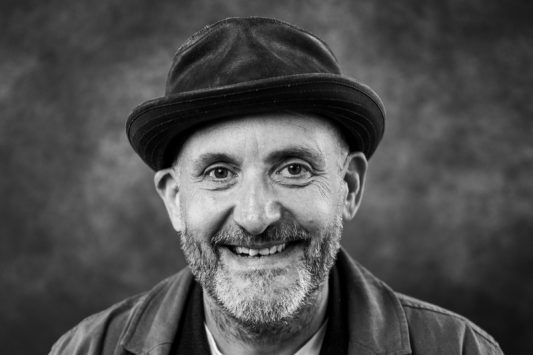
With more than three decades in the food and drink sector, James Simpson has built a career that spans everything from the nuts and bolts of the supply chain through to championing South West producers on a wider stage. As CEO of FSC Group, co-founder of Somerset Charcuterie and a driving force behind the revival of Taste of the West CIC, his work reflects a deep-rooted commitment to the region and the people within it.
In this edition of Getting to know, James shares the realities of juggling multiple roles, the lessons learned from both the highs and lows of business, and why, for him, success has always been about people first.
 What does your Monday morning routine look like?
I block out the first three hours of my Monday morning just to catch up on everything from the previous week and plan for the week ahead. I try very hard not to book meetings on a Monday if I can help it, so that I’ve got the space to deal with whatever inevitably comes in. I often start from home because it’s quieter and I can get through things more efficiently. In truth, there isn’t really a “normal” Monday; it tends to be quite fluid depending on what’s needed.
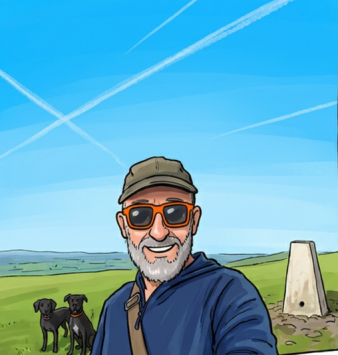
One thing I do try to keep consistent is how I structure the end of the week. On a Friday afternoon, I’ll head out for a walk across the Mendips and take my one-to-one calls with the team as I go. It gives me uninterrupted time, free from the usual distractions, and allows for more focused, creative conversations, with the added bonus that, if I time it right, I can finish at a pub along the way.
What was your first full-time job?
I started out working in the hotel industry as a waiter. In reality, it was a bit of everything; whatever needed doing at the time. I was spending most of my time in the restaurant, and although it was meant to be more of a part-time, day-release type arrangement, it ended up being about 60 hours a week alongside college. I was young and keen to earn money, so I took every bit of overtime I could.
What has been the best moment in your career?
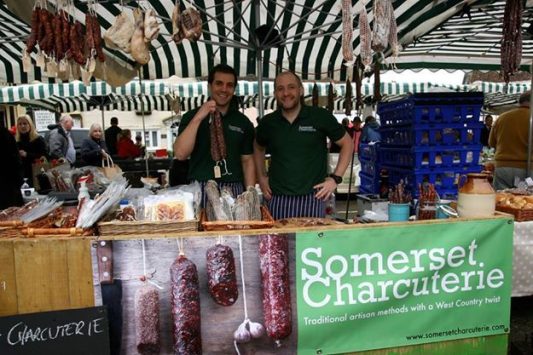
One of the standout moments has to be the first market we did with Somerset Charcuterie, which I co-founded with Andy Venn. We’d spent months, probably closer to nine, experimenting, learning and teaching ourselves how to cure meat. We were working late nights and early mornings, building everything from scratch.
We were operating out of a converted room above my garage, which I’d adapted for hanging the product, and Andy’s butchery, which was part of his pig roasting business. Between the two spaces, we managed to make it work.
That first market was a real moment of validation. People were trying the product, loving it, and we couldn’t believe how much we sold. After all that effort, it was confirmation that what we were doing actually worked.
What has been the worst moment in your career?
The lowest point was when I was running a business in Sweden and discovered that I was technically insolvent under their rules. The threshold is very different to the UK, and once you cross it, you’re required to report it. If you don’t turn things around within a certain period, you lose your limited liability status, which puts everything personally at risk. At that point, I was about £1.6 million in the red in a foreign country. It was an incredibly difficult moment. But, looking back, I probably learned more in the six months that followed than at any other point in my career.
 What’s the most unexpected lesson you’ve learned from your career so far?
One of the biggest surprises came when I started Somerset Charcuterie. It took up far more of my time than I expected, which meant I wasn’t as involved in FSC as I had been. The result was that everyone else stepped up and got better at their jobs. It taught me how important it is to get out of people’s way and let them develop. When you give people the space and responsibility, they often perform better than you would have expected.
What inspires you?
People. Seeing people develop, grow and succeed is what motivates me. I’m not particularly driven by money, it’s the people I work with and seeing them achieve things that really matters to me.
What would you like to be doing in five years’ time?
I’d like to be in a position where the businesses can run without me on a day-to-day basis. I still want to be involved, but I’d like the freedom to choose what I work on and when I do it. Essentially, easing into a different pace of life and focusing on the things I enjoy most.
What is your most memorable foody childhood memory?
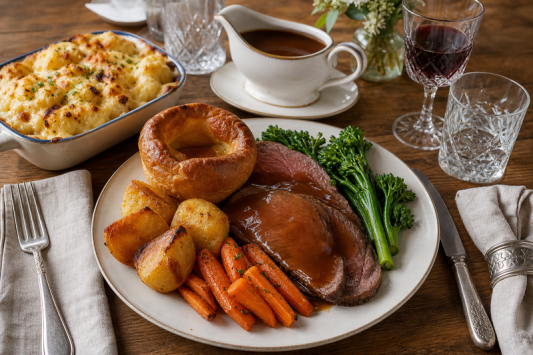
It would have to be Sunday roasts. That whole occasion – bringing people together around food – is what really stands out. Interestingly, I don’t think I fully appreciated food in the way I do now until later in life, but that tradition has always stayed with me.
What is your favourite cuisine?
At the moment, I’m really enjoying Korean food, partly influenced by my daughter, who cooks some fantastic dishes. More broadly, I tend to gravitate towards East and Southeast Asian cuisines – Thai, Vietnamese, Korean. I really like the fresh, vibrant flavours of lime, ginger and coriander.
If you could bring back one food trend from the past, what would it be?
That’s a difficult one to pin down. If anything, I’m probably more inclined to move away from some of the more recent trends – particularly the idea of combining things for the sake of novelty, like cronuts. I tend to prefer food that stays true to its roots and focuses on doing the fundamentals really well.
 What’s your favourite way to unwind and de-stress?
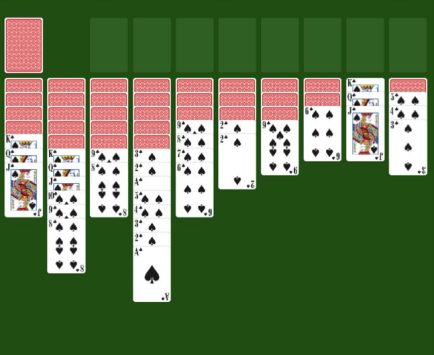
Listening to an audiobook with a glass of wine while playing a bit of Spider Solitaire. It’s a good balance. It’s just enough to keep your mind occupied without having to think too hard.
I tend to listen to a lot of sci-fi, particularly more conceptual, imaginative work that explores different worlds and ideas. Authors who really push the boundaries of what’s possible – where you’re as interested in how a world works as you are in the story itself. It’s that sense of curiosity and exploration that I like.
I’ll also head out for a walk with an audiobook on. It’s a great way to switch off while still keeping the mind engaged.
Name one thing on your bucket list that you still want to do.
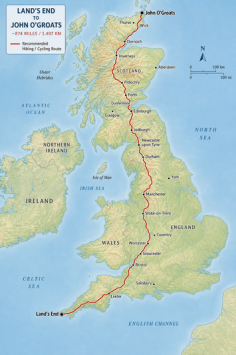
I’d like to do Land’s End to John O’Groats, or take on the UK coastal path once it’s complete. It’s about seeing as much of the country as possible, but doing it at a slower pace, walking or cycling it, stopping along the way.
Share a quote or motto that inspires you or by which you live your life.
On a rough mountain bike descent, instinct fixes your eyes on the front wheel — but to ride faster and safer you have to trust the bike you’ve carefully built, lift your head, and find the line through. Running a company in tough times is the same: trust the team you’ve carefully recruited and developed to handle the small fires, lift your head, and navigate the path out.
What’s the best piece of advice you’ve ever received?
My dad once said that the thing he was most proud of in his career was that wherever he was in the world, he never had to cross the street to avoid anyone. He’d always done right by people. That’s always stuck with me. Treating people properly, being fair and principled in what you do.
What is happening in your life or business that you’d like to shout out about?
The AI revolution, without question. It’s the biggest shift I’ve seen in my working life. These tools are changing how people work, making things faster, more accessible and levelling the playing field.
The value is shifting away from doing the research and the creation, and towards identifying the right opportunities and knowing how to use these tools effectively, as well as applying good judgement in the final stage. The people and businesses who adapt to that quickest are going to be the ones who succeed.
Reach out to James via his LinkedIn profile.