



Cornwall-based No More Lids, the UK home of The Good Cup, is making strides towards a more sustainable future. Recently, they were awarded the Packaging of the Year award at the Responsible Packaging Expo in London. Competing against giants in the packaging industry, The Good Cup stood out for its innovation and focus on sustainability.
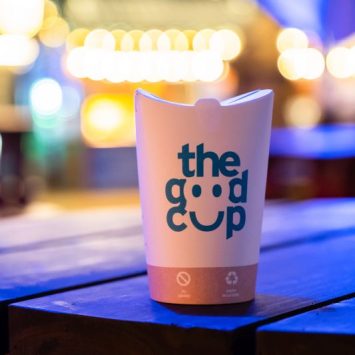 Every time we grab a coffee to-go, we contribute to a larger environmental issue. Did you know billions of plastic lids and plastic or PLA-lined cups end up in nature every year? That’s a heavy price to pay for convenience!
Managing Director Christopher Robinson-Brown expressed his pride: “It is such an honour for The Good Cup to be recognised as a game changer for the industry. The judges described it as a disruptor brand for the future. This recognition means a lot as we suffer terribly from the aftermath of single-use plastic waste that finds its way into the oceans. With our beautiful Cornish coastline bombarded with single-use plastic waste daily, leading the fight here in the UK from Cornwall is a responsibility we do not take lightly!”
 The South West is full of hospitality heroes who have embraced the difference they can make by switching to The Good Cup, dramatically reducing their single-use plastic waste. These businesses serve hot and cold drinks, as well as food, in The Good Cup.
“We work with Owen’s Coffee and Alliance South West as our key partners, ensuring that no matter what your business, you can easily make the switch,” said Robinson-Brown.
Notable venues such as Cornwall Council’s Proper Job café, Falmouth University, Plymouth Life Centre, Tinside Lido, and an international hotel group opening a new venue in Exeter have all made the switch. These key venues join the original pioneers like Adrenalin Quarry and Kynance Cove Café. Additionally, No More Lids will be collaborating more with the Cornish Seal Sanctuary in the future.
 “We have seen such a fantastic reaction to The Good Cup here in the South West because we have so much beautiful countryside and coastline. People truly want to embrace an alternative that protects these areas from further waste and debris. We know we can make a difference for all our futures, and it starts right here!”
Consumers now face the added complication of greenwashing, which is rife within the industry. Products are often labelled as recyclable or compostable, but the reality is they need specialist industrial treatments and can contaminate our waste streams. Consumers are becoming much more aware of this, and now, not only the quality of the drink but also the sustainable actions of the venue come into play when choosing where to get their daily fix.
“Due to the current economic situation and with businesses facing increased costs throughout their supply chain, the sad news is the cost of your daily brew may rise, but the cost to the planet doesn’t have to! We continue to work and grow with so many businesses here in the South West and beyond to help change that for the better,” Robinson-Brown concluded.
Find out more at nomorelids.com